Oil pulling is an ancient Ayurvedic practice where you swish oil around your mouth to reduce bacteria and freshen breath. It has recently become popular again as a natural health trend, but there is genuine confusion about whether it actually works and whether it is safe. This blog explains what oil pulling is, how it is performed correctly, its realistic benefits and limitations, how it compares to modern dental care, who should avoid it, and what Eve Dental Centre recommends for safe, informed oral hygiene.
What Is Oil Pulling?
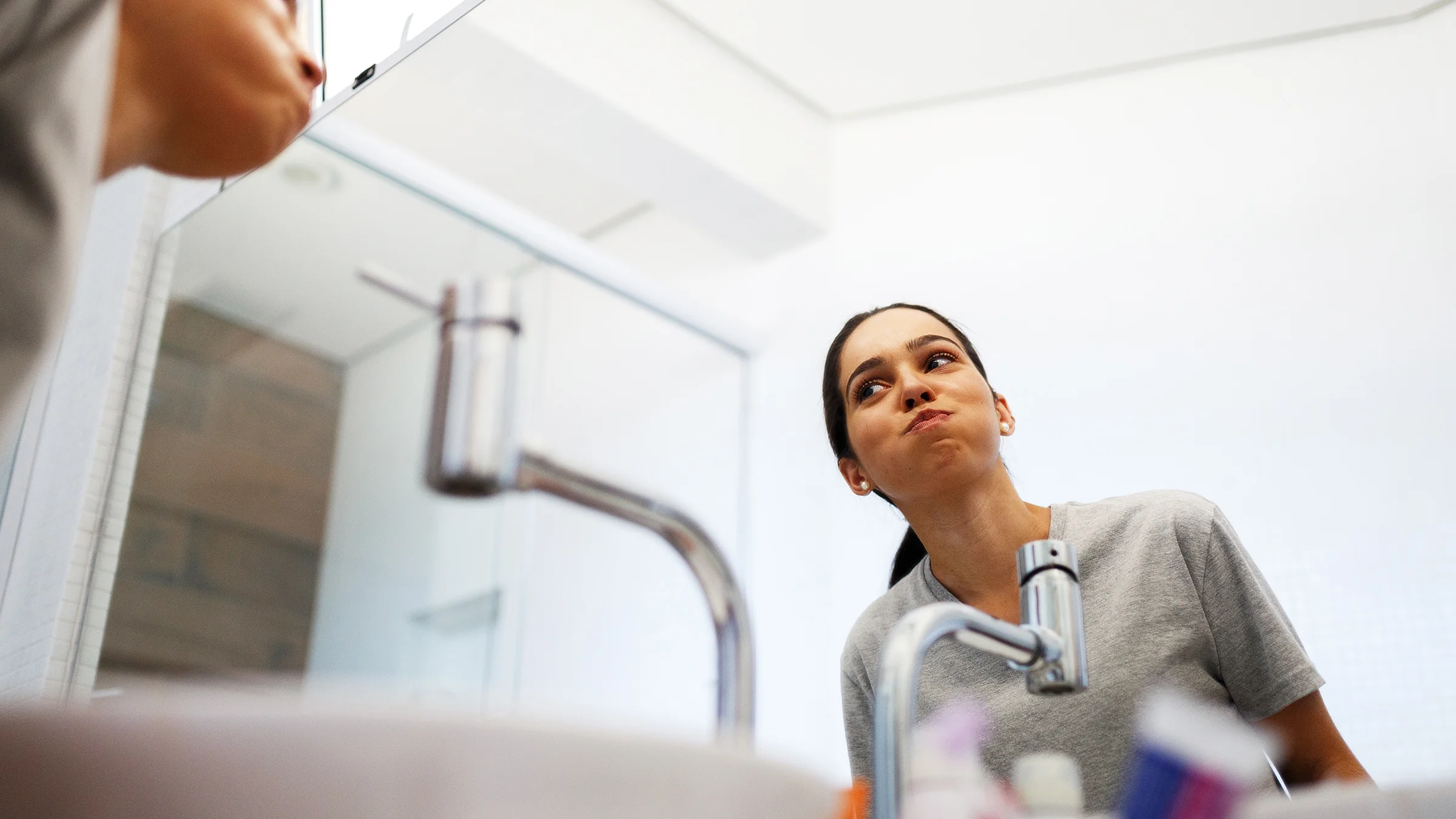
Oil pulling comes from Ayurvedic medicine, an ancient Indian health tradition. It involves taking a tablespoon of edible oil and swishing it around your mouth before spitting it out. In recent years it has regained attention through social media and natural wellness communities, with many people adding it to their morning routine before brushing.
Common Oils Explained
-
Coconut Oil
It is a popular choice today for its fresh taste and easy swishing. It also contains lauric acid, which is known for its antibacterial properties. Ideal for beginners!
-
Sesame Oil
The classic choice in old Ayurvedic books. It has a nutty flavour, contains antioxidants, and may help soothe your gums.
-
Sunflower Oil
Light and cheap with a neutral flavour. It can help lift bacteria without feeling heavy in your mouth.
How Does Oil Pulling Work?
The theory is that oil binds to bacteria, loose food particles, and debris as you swish, and carries them out of the mouth when you spit. The standard method involves swishing a tablespoon of oil gently for 10 to 20 minutes on an empty stomach, spitting into a bin, rinsing with warm water, then brushing and flossing as normal.
It is important to understand from the start that oil pulling is a supplementary practice. Research indicates it is less effective than brushing at preventing cavities and cannot remove plaque. It works best alongside a proper oral hygiene routine, Not a replacement for core oral care!
Possible Benefits of Oil Pulling
The benefits of oil pulling are modest and should be viewed with realistic expectations. Current evidence is limited in scale and quality, and none of the benefits below are as strongly supported as those of standard dental care.
-
May clear loose debris:
Swishing helps dislodge food particles around the teeth and gumline, leaving the mouth feeling fresher temporarily.
-
Can freshen breath short-term:
Reducing surface bacteria in the mouth may result in fresher breath for a period of time after each session.
-
May stimulate saliva flow:
The swishing action encourages saliva production, which helps wash away bacteria naturally.
-
Builds oral health awareness:
Any consistent daily habit that draws attention to the mouth can support better overall hygiene practices.
Limitations and Risks of Oil Pulling
Being clear about the limitations of oil pulling is essential, particularly because some claims made about it online are not supported by clinical evidence.
-
Does not remove plaque or tartar:
Oil cannot break down the sticky bacterial film that builds on teeth, and it cannot touch hardened tartar. Only brushing and professional cleaning can address these.
-
Cannot replace brushing or flossing:
The mechanical scrubbing action of a toothbrush and the physical clearing that floss provides between teeth cannot be replicated by swishing oil.
-
No evidence for teeth whitening:
There are no credible studies showing oil pulling whitens teeth. It contains no bleaching agents and does not alter tooth colour.
-
Risk of nausea or jaw fatigue:
Long swishing sessions can cause nausea or soreness in the jaw muscles, particularly for those new to the practice.
-
Swallowing risk:
After swishing, the oil contains the bacteria it has collected. Swallowing it is unsafe and can cause digestive discomfort.
-
Not suitable for children:
Young children may accidentally swallow the oil, and long swishing sessions are not appropriate for developing mouths.
-
Can delay necessary dental care:
Relying on oil pulling instead of visiting a dentist allows tooth decay and gum disease to develop undetected, which can turn minor issues into serious problems.
Oil Pulling vs Modern Dental Care
Placing oil pulling alongside established dental practices helps clarify its actual role in an oral hygiene routine.
| Practice | What It Does | Time | Effectiveness |
| Oil Pulling | Loosens debris, freshens breath briefly | 10–20 mins | Low — supplementary only |
| Brushing | Removes plaque, strengthens enamel with fluoride | 2 mins × 2 times daily | High — core practice |
| Flossing | Clears plaque and debris between teeth | 1–2 mins daily | High — prevents gum disease |
| Mouthwash | Reduces bacteria, freshens breath | 30–60 secs | Moderate — supports hygiene |
Fluoride toothpaste actively rebuilds tooth enamel and prevents cavities — oil has no equivalent effect. Professional cleaning removes hardened tartar that no home practice can address. Oil pulling can be a harmless optional addition for adults who enjoy it, but it is not a treatment for any dental condition and should never replace any step of a standard routine.
Who Can Consider Oil Pulling and Who Should Avoid It
Oil pulling may suit adults who are interested in natural complementary practices and are already maintaining a thorough daily oral hygiene routine. A conversation with your dentist before starting is always sensible.
The following groups should avoid it:
-
Children under 12:
The risk of accidentally swallowing the oil is significant, and prolonged swishing is not appropriate for young children.
-
People with swallowing difficulties:
Those managing conditions that affect swallowing control, including stroke recovery or certain neurological conditions, face a genuine aspiration risk.
-
Anyone using it instead of dental care:
Oil pulling used as a substitute for brushing, flossing, or dental visits becomes a risk to long-term oral health rather than a benefit.
Best Practices If You Choose to Try Oil Pulling
-
Add it before your regular routine:
Always follow oil pulling with brushing and flossing — it is a warm-up, not a replacement.
-
Never swallow the oil:
Spit into a bin and rinse with warm water before picking up your toothbrush.
-
Start with a shorter session:
Five minutes is a reasonable starting point. Build up gradually if you find it comfortable.
-
Keep attending dental check-ups:
Oil pulling cannot detect or treat dental problems. Six-monthly professional visits remain essential regardless of any supplementary practices.
How Eve Dental Centre Supports Safe Oral Care
Eve Dental Centre is built on preventive, evidence-based dentistry. We focus on stopping problems before they start using practices that are clinically supported and tailored to each individual patient. If you are curious about whether a practice like oil pulling fits your routine, we are here to give you honest, evidence-based guidance.
Conclusion
Oil pulling can offer minor, short-term benefits such as fresher breath and a temporarily cleaner-feeling mouth. However, it cannot remove plaque, has no proven whitening effect, and must never replace brushing, flossing, or professional dental care. Making informed decisions with the support of a qualified dental professional is always the most reliable way to protect your long-term oral health.
Frequently Asked Questions
Is oil pulling a substitute for brushing and flossing?
No. Oil pulling does not have the mechanical action needed to remove plaque from tooth surfaces or clear debris from between the teeth. Brushing with fluoride toothpaste twice daily and flossing once daily remain the foundation of effective oral hygiene.
Can oil pulling whiten teeth?
There is no credible scientific evidence that oil pulling whitens teeth. It contains no bleaching agents and does not change tooth colour. If you are interested in whitening, speak with your dentist about safe, clinically supported options.
How often should oil pulling be done?
Once a day is generally suggested, ideally in the morning before eating. Starting with five minutes and building toward 10 to 20 minutes is a practical approach for beginners. Doing it more than once a day provides no additional evidence-based benefit.
Is oil pulling safe for everyone?
No. It is not suitable for children under 12, people with swallowing difficulties, or anyone using it as a replacement for standard dental care. Healthy adults who are already maintaining a proper oral hygiene routine can generally try it safely, but checking with your dentist first is always recommended.